
What Are the Latest Materials in Roofing Technology?
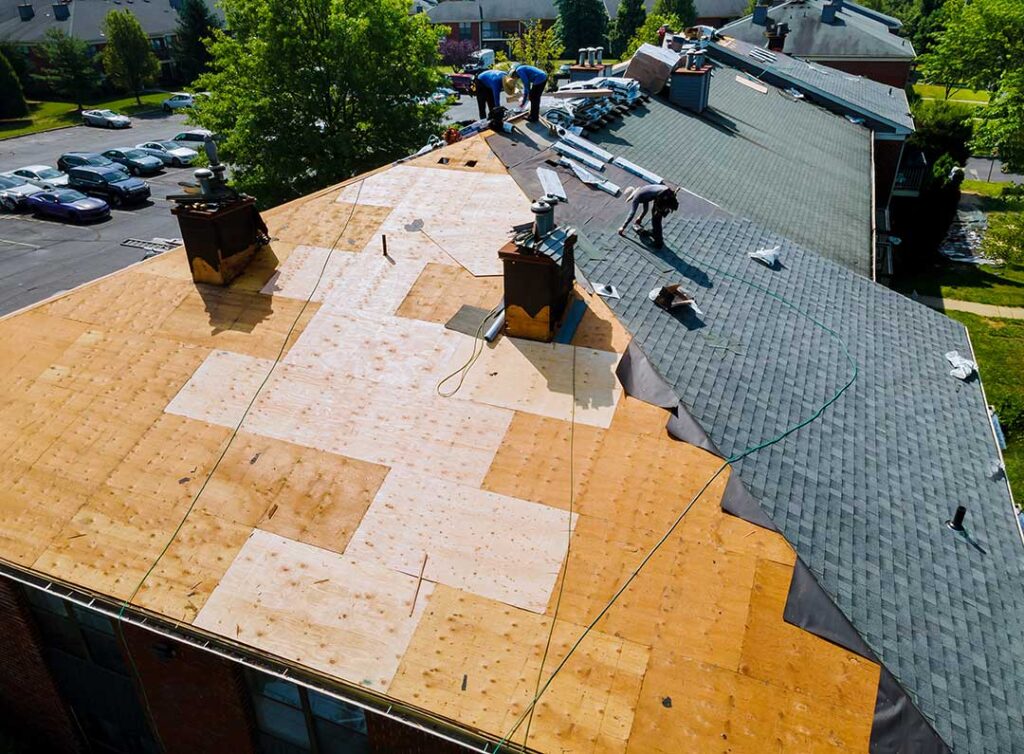
New roofing materials are changing how local homes manage weather, energy, and durability. While asphalt shingles remain common, recent advances include synthetic, metal, and “cool” roofing options. These materials are designed to address both climate-related challenges and longer-term maintenance needs.
- Synthetic shingles: Made from polymers, these can mimic slate or wood but weigh less, offering improved resistance to cracking and algae growth. They're useful where late-spring storms or heavy ice loads threaten traditional materials.
- Metal roofing: Previously seen mostly in agricultural settings, today's standing seam metal roofing is gaining popularity in residential neighborhoods for its longevity, fire resistance, and energy reflectivity, especially helpful during long winter months.
- “Cool” roofing: Reflective shingles and coatings help reduce heat absorption. While summers in the city aren’t extreme, these systems can modestly lower attic temperatures and slow snowmelt, preventing ice dam formation.
For households comparing re-roofing options, these materials may offer a longer service life and require less frequent replacement.
How Are Roofing Systems Becoming More Energy-Efficient?
Modern roofing innovations can help manage household energy costs, especially in homes with older attics or less insulation. New technologies focus on both insulation and improved ventilation.
- Radiant barriers: Installed beneath the roof deck, these materials reflect heat away, which can help stabilize indoor temperatures in rooms directly under the roof.
- Improved attic ventilation: Baffles, ridge vents, and smart fans work together to reduce moisture buildup and balance heat. Proper airflow is critical due to the city's variable climate, which brings hot, humid spells and cold, snowy winters.
- Integrated solar roofing: Unlike traditional panels, solar shingles look like conventional shingles but generate electricity. They blend in aesthetically and may be attractive to local homeowners interested in renewable energy with minimal visual impact.
Properly designed roofing systems use a combination of these features to regulate moisture, extend lifespan, and enhance comfort — all without changing the look of a neighborhood.
Can Modern Roofs Withstand Local Weather Challenges Better?
Yes—one of the main goals of new roofing products is to handle the Northeast’s cycle of snow, ice, wind, and rain without failing prematurely. Innovations address water management, freeze-thaw damage, and wind resilience.
- Ice and water shields: These self-sealing membranes, usually installed under shingles at eaves and valleys, prevent leaks caused by ice dams and wind-driven rain—common concerns in winters with repeated freeze-thaw cycles.
- Impact-resistant shingles: Designed to better withstand hail and wind-blown debris, these may reduce the need for emergency repairs after intense summer storms.
- Enhanced fastener systems: Hurricane-rated nails, reinforced underlayments, and improved installation methods help keep materials in place even in severe wind gusts.
Residents who have experienced leaky attics or shingle loss after storms often find that these upgrades add meaningful resilience to their homes.
Are Smart Roofs and Sensors Making a Difference?
Roofing technology increasingly includes sensors and digital monitoring tools. These systems deliver actionable information, especially for homeowners who don’t regularly inspect their roofs.
- Moisture sensors: Placed in the roof deck or attic, these can alert residents to leaks, ice dams, or condensation before water causes serious damage.
- Thermal sensors: These track anomalous temperature changes that could signal poor insulation, blocked vents, or developing ice dams. This insight is particularly relevant locally in late winter when freeze-thaw cycles are frequent.
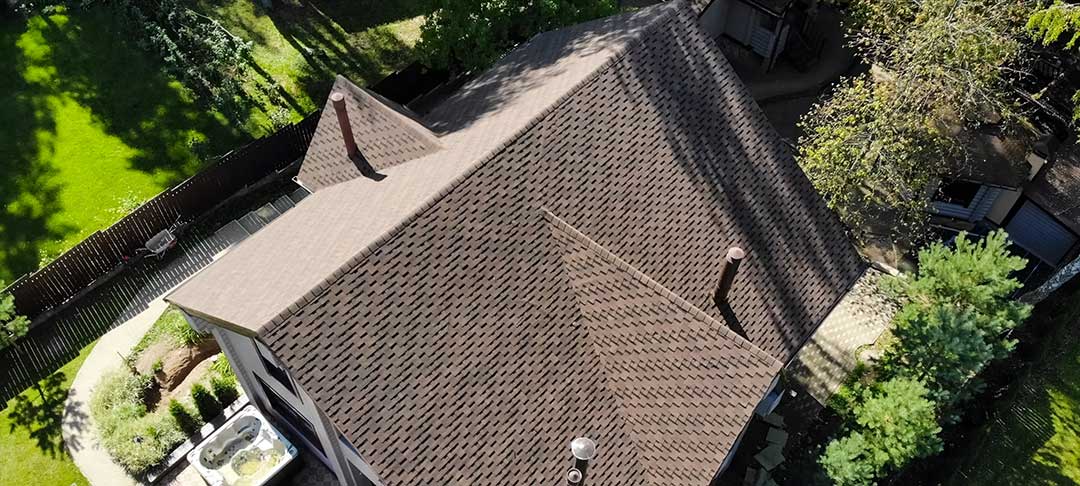
- Drone inspections: While not a roofing material, drones are now used by property owners and inspectors to safely view hard-to-access slopes, check for shingle damage after storms, or monitor snow load buildup.
The main effect of these technologies is faster detection and greater peace of mind, helping residents avoid extensive repairs.
What Should Homeowners Consider Before Adopting New Roofing Technology?
Adopting the latest technology isn’t always the best solution for every property. Several practical questions can help area residents make informed decisions:
- Compatibility with existing roof framing and structure — Heavier materials may require structural reinforcement.
- Weather patterns and seasonal extremes — For example, metal and synthetic shingles typically perform well during repeated freeze-thaw cycles common to the region.
- Local building codes and neighborhood covenants — Some new technologies or colors may still require local approval.
- Maintenance requirements — Some systems, like solar shingles, have unique cleaning or inspection needs that differ from traditional shingles.
- Cost-benefit analysis — While higher-end materials can last decades, not every household requires that level of investment, especially if the home is older or near a future remodel.
The most resilient roofs balance price, performance, and visual compatibility with surrounding homes.
Are There Overlooked but Useful Roofing Upgrades for Local Homes?
Some valuable improvements remain underused in area homes despite their benefits.
- High-performance underlayments: Modern synthetic underlayments offer better waterproofing and longevity compared to traditional felt paper.
- Snow guards and heated cables: These help manage snow retention and ice buildup, particularly on steeper roofs.
- Built-in gutter shielding: Preventing clogging and ice dams protects soffits and reduces ladder work, especially during leaf drop and winter thaw events.
- Attic ventilation upgrades: Many homes rely on outdated passive vents; modern, balanced systems can help prevent mold and wood rot.
These options often provide immediate and long-term advantages in home protection and ease of maintenance, especially given the region’s year-round precipitation and temperature swings.
