
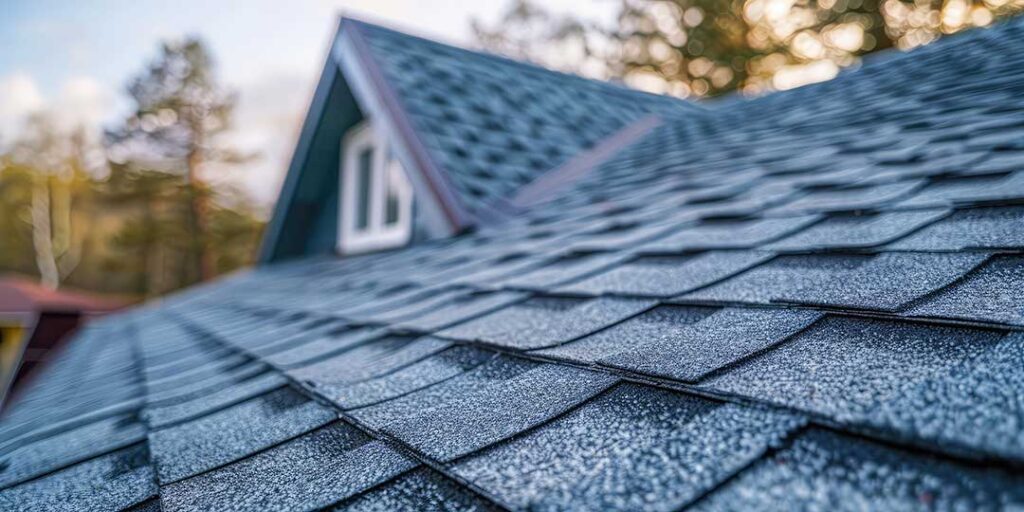
How Many Years Can You Expect from a Roof in Queensbury, NY?
Most residential roofs in Queensbury can last anywhere from 15 to over 50 years, depending on the material and how well they’re cared for. The city’s climate—marked by snow, freeze-thaw cycles, summer storms, and leafy autumns—plays a big role in roof longevity. Not all roof types age the same, but local weather will affect them all.
What Determines the Lifespan of a Roof?
Several key factors influence how long a roof will last before it needs replacement or major repairs:
- Material Type: Asphalt shingles (the most common locally) average 15-30 years, while architectural asphalt options may reach 30-40 years. Metal roofs can last 40-70 years, and slate or clay tiles are sometimes in place for a century or more, though less common on typical homes in the area.
- Climate Exposure: Heavy snowfall, ice dams, hail, wind-driven rain, and dramatic swings between cold winters and warm summers put extra stress on roofing materials. These conditions can speed up wear, especially if snow removal or gutter maintenance is neglected.
- Ventilation and Installation: Poor attic ventilation or improper installation both shorten a roof’s lifespan. Trapped heat or moisture inside an attic will degrade shingles and underlayment far more quickly.
- Roof Slope and Design: Steeper roofs typically shed water and snow more efficiently, helping materials last longer. Flat or low-slope sections see more pooling and ice buildup.
- Routine Maintenance: Neglected debris, moss/fungus growth, and clogged gutters reduce a roof’s lifespan. Regular checks—especially after storms or heavy winter accumulation—dramatically slow deterioration.
Typical Lifespans by Common Roofing Materials
Most area households use one of a handful of materials. Here’s what local residents can typically expect:
- Three-Tab Asphalt Shingles: 15-20 years is average, sometimes less if exposed to persistent moss, ice, or if not ventilated well.
- Architectural Asphalt Shingles: 25-35 years, thanks to thicker construction and layered design. These are more resistant to severe weather and have become more common around the city.
- Metal Roofing: 40-70 years for steel or aluminum panels, provided proper fasteners and installation are used. Metal sheds snow well and resists rot and many forms of storm damage.
- Slate/Tile (less common): 50-100 years, but these materials are most often seen on older or more historic area homes due to their weight and higher initial cost.
How Do Queensbury’s Seasons and Weather Affect Your Roof’s Life?
Roofing life expectancy in this region is strongly shaped by local conditions:
- Winter Snow and Ice: Heavy snow and freeze-thaw cycles create ice dams, which can force water back under shingles and into the attic, significantly reducing roof life if not addressed.
- Spring and Fall Rainstorms: Powerful winds, driving rain, and hail can loosen shingles or create leaks.
- Summer Sun: UV rays make shingles brittle and fade their protective granules over time. Extended heat trapped in the attic causes premature aging.
- Falling Leaves and Debris: Accumulated leaves block gutters and valleys, trapping moisture that leads to rot, moss, and premature failure—especially along shaded or north-facing sections.
Local roofs must endure all four seasons, so even premium materials benefit from routine checks and preventative maintenance.
What About Leaks or Damaged Shingles—Does Every Issue Mean Replacement?
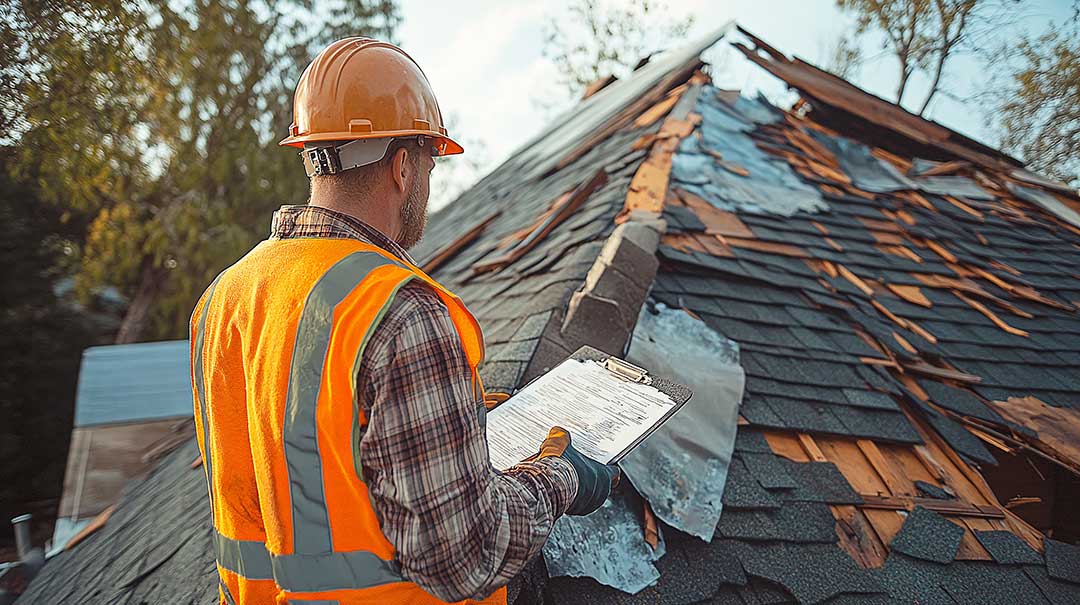
Small leaks, curling or missing shingles, and minor isolated damage don’t necessarily mean a whole new roof is needed right away. If the roof is within the first half of its expected life and the underlying structure is still sound, spot repairs or partial shingle replacement may be effective. However, if problems are more widespread—brittle, shedding, or buckling shingles across large areas—full replacement might be more practical.
If moisture has made its way below the outer layer, repairs will only buy a limited amount of time. Persistent attic dampness, mold along ceiling lines, or daylight showing through boards are stronger signs a roof’s useful life may be coming to an end.
Are There Signs a Roof Is Nearing the End of Its Life?
Local homeowners can watch for a few common warning indicators:
- Shingles are missing, cracked, or curling in large sections.
- There’s significant granule loss (accumulating in gutters or at downspout exits).
- Persistent leaks after repairs, or visible water stains indoors.
- Moss, mold, or algae growth spreading across the surface—indicates chronic moisture.
- Multiple roofs layered atop each other—older practice, but weakens structure and shortens life of the newer layer.
- Sagging, spongy, or uneven areas underfoot (if safely observational from the ground).
Any of these signals mean the roof is likely in the last stages of its useful service.
How Can Residents Maximize Their Roof’s Lifespan?
Simple seasonal steps make a big difference. Remove heavy snow loads with a roof rake, keep gutters clear in fall and spring, trim overhanging branches, and have vents or flashing checked regularly. Inspecting after major storms and repairing small issues early will prevent much larger problems (and urgent roof replacements) later. If unsure whether a roof concern is minor or major, a professional opinion is safest—especially for anything involving attic leaks, electrical issues, or structural decay.
What Is the Typical Lifespan Comparison: Local Roofs vs. National Averages?
Roofs in the city generally match or slightly trail national averages—climate is the major factor. While a shingle roof in a mild, dry region might inch closer to the high end of its lifespan, consistent freeze-thaw cycles, heavy snow, and wet springs locally mean the low-to-middle range is more common unless repairs and maintenance are ongoing. For example, a 20-year shingle warranty elsewhere may realistically net 15-18 years of trouble-free service here.
What’s the Practical Takeaway for Area Households?
Area residents should plan for roof replacement and reserve funds well before the end of the expected lifespan, especially if living in homes built before the 2000s or those with multiple layers of older roofing. With regular attention and prompt minor fixes, however, most households will enjoy a reliable roof—rain, snow, or shine—for decades.
