
What Is Roof Underlayment and Why Does It Matter?
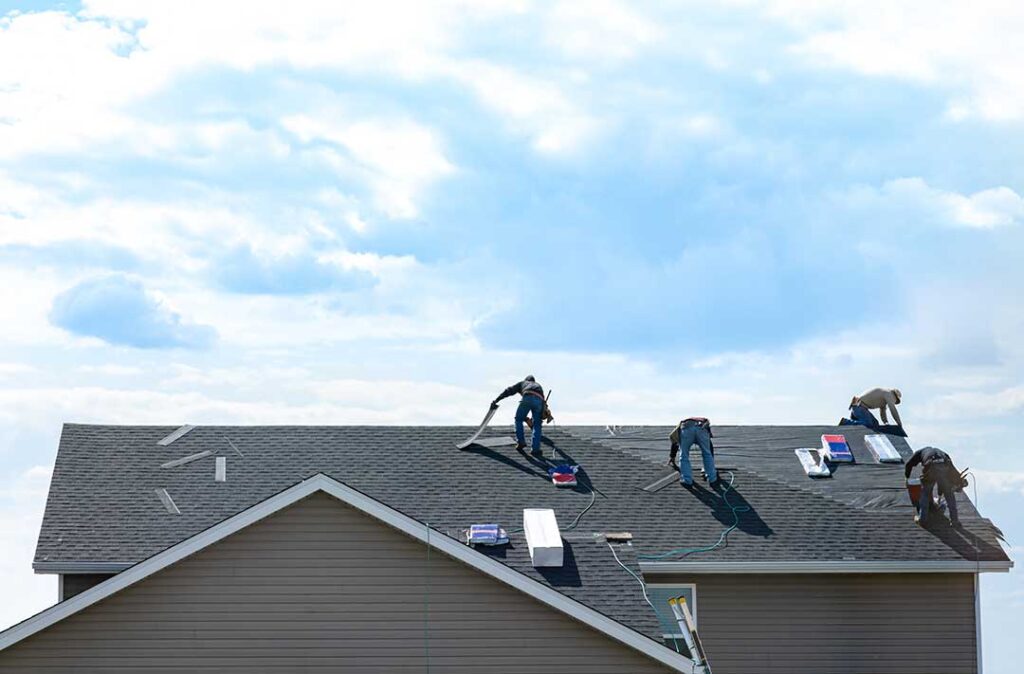
Roof underlayment is a barrier installed between the wooden roof decking and the final roof covering, such as shingles or metal panels. Its primary purpose is to provide an extra layer of protection against moisture, wind-driven rain, and occasional leaks that can get past the main roofing material.
In Queensbury, NY, the role of underlayment is especially important due to frequent seasonal changes—including wet springs, heavy snow accumulation, freeze-thaw cycles, and windy fall storms. Reliable underlayment helps homes resist water infiltration, protecting interiors from costly water damage.
What Types of Roof Underlayment Are Commonly Used?
Most residential roofs use either felt (asphalt-saturated paper) or synthetic sheet underlayments. Each type functions as a water-resistant barrier, but they vary in durability, performance, and suitability for local climates.
- Asphalt-Saturated Felt: Traditionally known as "tar paper," this underlayment is still widely used. Felt underlayment comes in different weights (commonly 15lb and 30lb). Heavier felt offers better tear resistance but can wrinkle more in high humidity.
- Synthetic Underlayment: Made from woven or spun polymers, synthetics are lighter, stronger, and more resistant to tearing than felt. Many newer homes in the city feature synthetic underlayment because it holds up well to the region's snowfall and wind events.
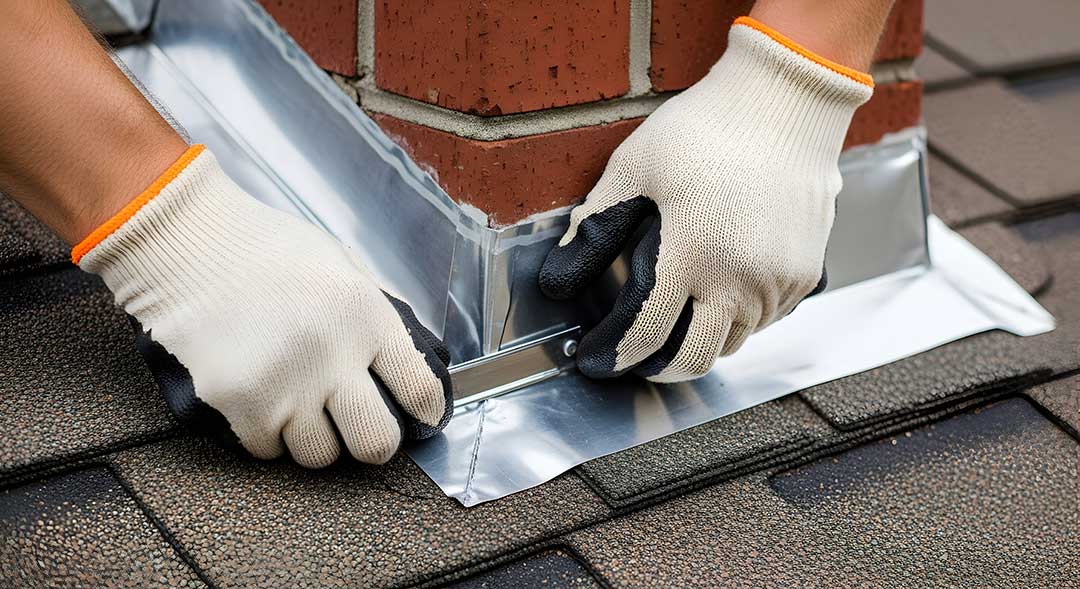
- Ice and Water Shield: This is a peel-and-stick underlayment designed for extra protection in vulnerable areas like roof eaves, valleys, and around skylights or chimneys. It’s especially useful for preventing water intrusion from ice dams, which are a common winter problem in the area.
Choosing the right type depends on the roof slope, expected weather conditions, and project budget. For many households dealing with snow and ice buildup, ice and water shield is included at the edges, even when the main field is covered in felt or synthetic sheet.
How Does Underlayment Help with Snow and Ice in the Local Climate?
Underlayment acts as a critical backup when melting snow or ice seeps beneath shingles. In Queensbury, ice dams commonly form along roof edges after heavy snowfall and a thaw, trapping water and forcing it beneath roofing materials.
Installing ice and water shield at the eaves, low-pitch sections, and valleys gives homes an additional defense against freeze-thaw water intrusion. Typical local practices now often include at least three feet of ice barrier along the eaves to comply with common building guidelines and adapt to heavy winter storms.
Is Underlayment Required by Building Codes in Queensbury?
Local residential building codes aligned with New York State requirements generally mandate underlayment beneath all roof coverings. Special attention is paid to "ice barrier membrane" along eaves for homes within ice dam risk zones.
Residents should be aware that:
- Two layers of underlayment or a special vapor barrier may be required for roof slopes below a certain pitch.
- Older homes may not always meet modern standards, so roofing projects often include new underlayment as part of an upgrade.
Can Roof Underlayment Be Seen from Inside the Attic?
Underlayment is installed on top of the roof decking, so it isn’t visible from inside the attic. What a homeowner might see from below are the wooden decking boards or plywood, plus any insulation or vapor barriers placed inside the attic itself. If water stains are visible on the decking, it could indicate an underlayment failure or that water breached more than one protective layer.
What Are Common Problems or Misconceptions About Underlayment?
Some residents assume that shingles or metal panels alone are water-tight. In reality, underlayment serves as an essential safety net during high winds, ice dams, flashing leaks, or shingle damage. Other frequent misconceptions include:
- Underlayment is only for new roofs: It is equally important during roof repairs or partial replacements, especially when fixing leaks or after storm damage.
- Synthetic underlayment is always better: While popular for its strength and weather performance, not every roof design or budget requires premium synthetics—felt is still code-compliant on many homes.
- You can skip underlayment if using metal roofing: Code and insurance often demand an approved underlayment regardless of the visible outer layer.
How Long Does Roof Underlayment Last?
The lifespan of underlayment depends on materials used, climate exposure, and roof ventilation. Generally:
- Asphalt-Saturated Felt: 12–20 years, but may degrade faster if exposed to persistent moisture or poor ventilation.
- Synthetic Underlayment: 25–35 years under normal conditions, frequently outlasting the shingle layer.
- Ice and Water Shield: Designed to hold up for decades in protected locations.
Underlayment exposed to UV light during extended roofing projects can deteriorate more quickly, so roofs are best covered promptly.
How Do Local Weather and Lifestyle Affect Underlayment Choices?
Queensbury’s prevalent weather patterns—such as heavy spring rains, wet autumn leaves on roofs, and sizable winter snow loads—mean that water protection is always a top priority. Many area homes have larger roof overhangs to manage snow-shedding and use underlayment specifically designed for cold climates.
Local household routines, like rapid snow removal from roofs or use of heat cables, also factor into long-term performance. Proper attic ventilation and insulation help prevent ice dam formation, boosting the effectiveness of the underlayment system as a whole.
What Maintenance Can Homeowners Do Related to Underlayment?
Direct inspection of underlayment isn’t practical once roofing is installed, but residents can keep an eye out for signs underlayment may have failed:
- Water stains on ceilings or attic decking
- Curling or missing shingles after storms
- Persistent roof leaks, especially after freeze-thaw events
Proactive roof inspections after storms, careful attic monitoring for water stains, and timely shingle repairs all help preserve the integrity of the entire roofing system, including the unseen but crucial underlayment layer.
