
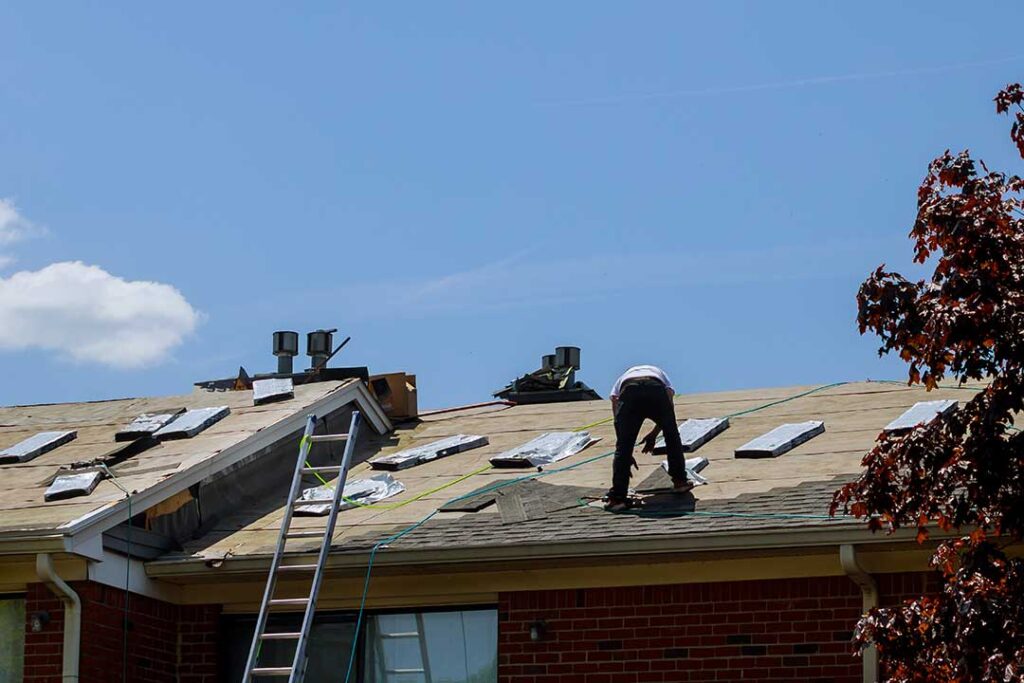
A roof inspection is most useful when it is scheduled before a small problem becomes a costly repair. For most homes in Queensbury, NY, the right timing is once a year, with additional inspections after severe weather, visible changes, or major roofing work.
How often should a roof be inspected?
Most residential roofs benefit from a yearly inspection. An annual check helps identify damaged shingles, deteriorated flashing, blocked drainage, moisture entry, and early signs of aging.
A roof does not always show trouble from inside the living space. Water can travel along roof framing or insulation before a ceiling stain appears. Small defects may also worsen during the freeze-thaw cycles common in the region.
A yearly inspection is especially sensible for:
- Roofs more than 10 years old
- Homes surrounded by mature trees
- Properties with steep or complicated rooflines
- Roofs that have experienced previous leaks
- Homes with finished attic areas
- Properties where gutters, vents, or flashing are difficult to see from the ground
An inspection is not the same as a roof replacement assessment. Its purpose is to document the roof’s current condition and identify maintenance needs, safety concerns, or developing damage.
When is the best season for an inspection?
Late spring is often a practical time for a full roof inspection because winter conditions have passed and damage from snow, ice, wind, and repeated freezing can be evaluated. This timing also allows maintenance issues to be addressed before the heavier rain and summer storms that can test the roof.
Early fall is another useful inspection period. It provides an opportunity to check the roof before colder temperatures, snow, and ice return.
Seasonal timing can be adjusted based on the property:
- Spring: Check for winter damage, lifted shingles, ice-related problems, and blocked drainage.
- Summer: Look for heat-related deterioration, exposed underlayment, failed sealants, and storm damage.
- Fall: Confirm that the roof and drainage system are ready for snow, ice, and leaf accumulation.
- Winter: Limit inspections to safe conditions. Snow-covered or icy roofs can hide defects and create serious fall hazards.
A roof does not need to be inspected only during one particular season. The most important factor is whether the inspection occurs before a known risk period or soon after an event that may have caused damage.
Should a roof be inspected after a storm?
Yes. A post-storm inspection is appropriate after strong winds, hail, heavy rain, ice, or fallen branches. Damage may not be obvious from the ground, and some problems do not cause immediate leaks.
After severe weather, look for:
- Shingles on the ground or in the yard
- Shingles that appear lifted, curled, cracked, or missing
- Exposed areas of dark underlayment
- Bent or displaced metal flashing
- Damage around chimneys, vents, skylights, or roof edges
- Granules collecting heavily in gutters or downspouts
- New ceiling stains or damp attic insulation
- Tree limbs resting on or scraping the roof
A visual check from the ground can help identify warning signs, but it should not involve climbing onto the roof. Wet surfaces, steep slopes, loose materials, and hidden structural damage make post-storm roof access hazardous.
What signs mean an inspection should happen sooner?
A roof inspection should be moved up if there are signs of water entry, unusual aging, or physical damage. Waiting for the next annual inspection may allow a minor defect to spread into insulation, decking, framing, or interior finishes.
Schedule an inspection sooner when:
- A ceiling stain appears or grows
- Paint begins bubbling near the ceiling
- The attic smells musty or shows damp insulation
- Daylight is visible through the roof deck
- Gutters contain an unusual amount of shingle granules
- Shingles are losing their flat appearance
- Flashing has pulled away from a roof penetration
- Water collects near the foundation because of drainage problems
- A tree limb has struck or rubbed against the roof
- Snow or ice has caused visible damage along the eaves
Interior evidence can be especially useful. Attic inspections may reveal moisture before it becomes visible in a finished room. Darkened wood, rusty nails, compressed insulation, or water marks can all justify a closer evaluation.
Does a new roof still need inspections?
Yes, although a newer roof generally needs less frequent attention if it was properly installed and maintained. New roofing materials can still be affected by severe weather, installation defects, ventilation problems, or damage around penetrations.
A roof inspection may be worthwhile:
- After the first major storm following installation
- When a leak appears in a relatively new roof
- If shingles look uneven or poorly sealed
- If attic temperatures and moisture levels seem unusual
- Before exterior remodeling that could affect the roof
- When ownership records do not clearly document the roof’s age or work history
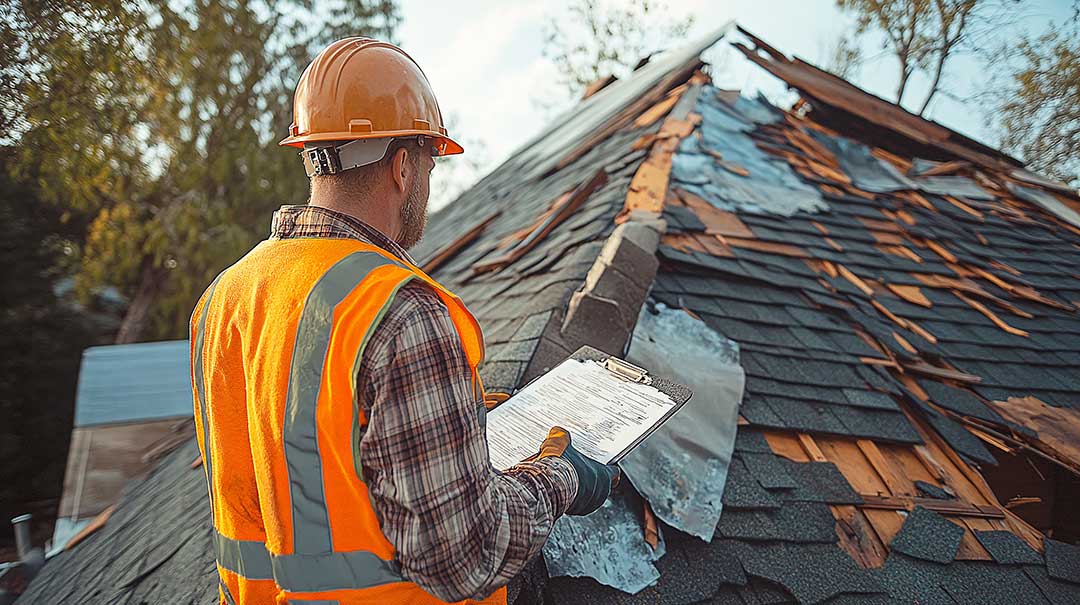
Roof age alone does not determine condition. A well-maintained older roof may perform better than a newer roof exposed to poor drainage, heavy shade, inadequate ventilation, or repeated storm damage.
What should homeowners prepare before an inspection?
A few records and observations can make an inspection more useful. Note when symptoms first appeared, whether they occur during rain or snow, and whether the problem is limited to one room.
Helpful information includes:
- The approximate roof installation date
- Records of previous repairs
- Recent storm dates
- Locations of ceiling stains or drafts
- Any history of ice buildup or recurring leaks
- Gutter cleaning and drainage concerns
- Changes made to attic insulation or ventilation
Photos taken from the ground can also help document changes over time. Photographing the same roof slopes, gutters, and visible flashing once or twice a year creates a basic condition record without requiring unsafe roof access.
Can homeowners inspect the roof themselves?
Homeowners can perform a ground-level visual check, but a complete roof inspection may require closer examination of surfaces, flashing, roof edges, drainage, attic conditions, and structural components.
A safe homeowner check can include:
- Looking for missing or displaced shingles from ground level
- Checking whether gutters are sagging or overflowing
- Examining visible flashing from windows or accessible areas
- Looking for stains in attic spaces
- Checking whether bathroom or kitchen exhaust moisture is reaching the attic
- Trimming back branches that touch the roof, where safe and permitted
Climbing onto a roof is not necessary for routine observation and may create a greater risk than the condition being investigated. Any inspection involving steep slopes, unstable materials, electrical hazards, storm debris, or suspected structural damage requires appropriate safety controls.
How does local weather affect inspection timing?
Seasonal weather patterns influence both roof wear and inspection priorities. Snow, ice, wind, heavy rainfall, and repeated temperature changes can stress shingles, flashing, roof edges, and drainage systems. Mature trees can add another layer of risk through falling branches, shade-related moisture, and leaf buildup.
Homes with roof sections facing different directions may also age unevenly. A shaded slope can remain damp longer, while a sun-exposed slope may experience faster loss of flexibility and surface granules.
For most households, a practical schedule is:
- A routine inspection each year
- A spring check after winter conditions
- A fall check for roofs with known aging or drainage concerns
- A prompt inspection after significant storms or visible damage
The exact schedule should reflect the roof’s age, design, surrounding trees, maintenance history, and exposure to weather. Regular inspections are most valuable when they create a clear record of changes over time rather than waiting until a leak becomes impossible to ignore.
