
Are solar panels a good match for a roof in Queensbury, NY?
Solar panels can work well on many homes, but the roof should be evaluated before the panels are installed. The key questions are whether the roof is structurally sound, has enough remaining service life, can handle local snow and wind loads, and can be accessed for future repairs.
In Queensbury, seasonal weather deserves particular attention. Snow, ice, freeze-thaw cycles, summer heat, and occasional high winds all affect roofing materials and rooftop equipment. A solar array does not automatically damage a roof, but poor planning or installation can make future maintenance more complicated.
The roof and solar system should be considered as one coordinated project rather than two unrelated improvements.
Should a roof be replaced before solar panels are installed?
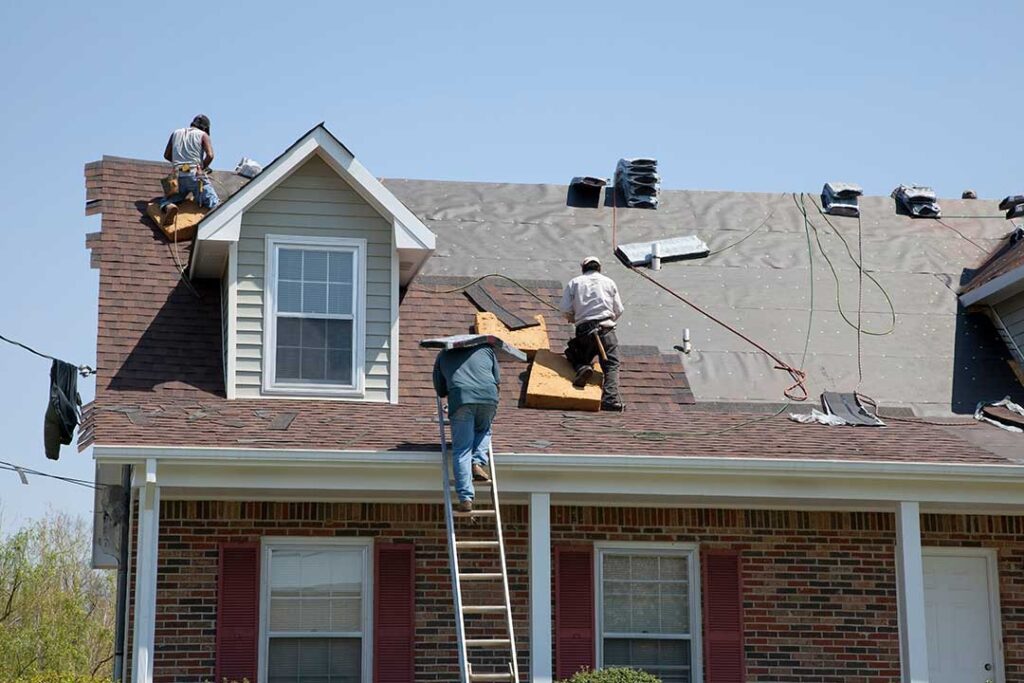
Usually, a roof that is near the end of its expected service life should be repaired or replaced before panels are added. Solar equipment may remain in place for decades, while many roofing materials have a shorter service life. Installing panels over an aging roof can create an expensive problem later because the array may need to be removed and reinstalled for roof replacement.
Signs that a roof deserves closer review include:
- Curling, cracked, brittle, or missing shingles
- Water stains in the attic or upper ceilings
- Sagging roof areas or visibly uneven roof lines
- Damaged flashing around chimneys, vents, and roof edges
- Repeated ice-dam leaks
- Extensive moss or moisture-related deterioration
- A roof that is already several decades old
A roof does not necessarily need replacement simply because solar is being considered. The decision depends on the roof’s age, condition, construction, and expected remaining service life. A written assessment can help separate minor repairs from conditions that justify replacement.
Can a typical residential roof support solar panels?
Most sound residential roofs can support a properly designed solar array, but the answer depends on the roof framing and the specific mounting system. Panels, rails, clamps, wiring, and other components add weight. The system must also resist wind uplift and account for snow-related forces.
New York building requirements address structural support, wind resistance, roof live loads, and snow effects for rooftop photovoltaic systems. The state’s solar guidance also identifies location-specific wind and snow loads as part of the design review. ([codes.iccsafe.org](https://codes.iccsafe.org/content/NYSBC2025P1/chapter-31-special-construction?utm_source=openai))
Important structural factors include:
- Rafter or truss size, spacing, span, and condition
- The direction and slope of the roof
- Existing roof loads, such as roofing layers or heavy equipment
- The weight and layout of the proposed array
- Snow drifting around higher roof sections, chimneys, and roof steps
- Wind exposure and the method used to connect the array to the structure
A visual inspection from the ground cannot confirm all of these conditions. Attic access may be necessary to identify framing problems, previous alterations, rot, or signs of excessive movement.
How do snow and ice affect rooftop solar?
Solar panels do not eliminate snow concerns. Snow may slide from smooth panels more readily than from shingles, creating a hazard near entrances, walkways, vehicles, or lower roof sections. In other locations, snow can remain on the array and add weight until it melts or slides.
The panel layout can also change where snow accumulates. Roof areas below an array may receive concentrated snow or meltwater, especially where the roof changes direction or where obstructions interrupt the slope. Snow guards may be appropriate in some layouts, but they must be selected and positioned as part of the overall roof and array design.
Ice dams are another concern. Solar panels do not cause ice dams by themselves, but they can make inspection and repair more difficult. If a home has a history of ice-related leakage, the underlying causes—such as inadequate attic insulation, air leakage, ventilation problems, or roof-edge conditions—should be addressed before the array is installed.
What happens to shingles and roof penetrations beneath the panels?
Most rooftop systems use attachments that connect through the roof covering into structural framing. Each attachment requires careful flashing or a manufacturer-approved sealing method. The objective is not merely to seal a hole temporarily; it is to direct water safely around the penetration for the life of the roof.
Problems can arise when:
- Fasteners miss the intended framing
- Flashing is installed over deteriorated or uneven roofing
- Sealant is treated as the primary defense against water
- Attachments are placed too close to roof edges or valleys
- Wiring is left exposed to rubbing, standing water, or sharp surfaces
- Roof penetrations are crowded around vents, chimneys, or skylights
The roof covering, underlayment, flashing, and mounting hardware must work together. A solar installation should not block drainage paths or interfere with required clearances around roof edges and access routes.
Will solar panels make future roof repairs harder?
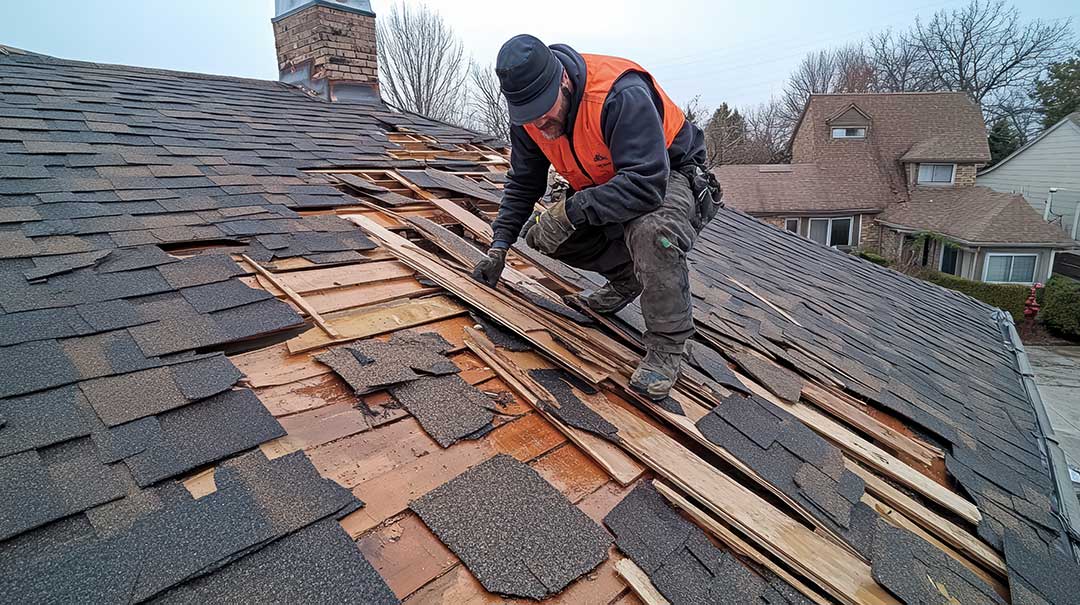
Yes, some repairs become more involved after panels are installed. A small repair in an uncovered area may remain straightforward, while work beneath the array may require temporary removal of panels and mounting components.
Before installation, it is useful to document:
- The roof’s condition and existing defects
- The location of rafters or trusses, if known
- Existing leaks and prior repairs
- The position of vents, chimneys, skylights, and electrical equipment
- The areas covered by the planned array
A roof plan or installation diagram can help future occupants and maintenance workers understand what lies beneath the panels. It is also wise to keep records for the roof covering, mounting system, electrical work, inspections, and repairs in a dry, accessible location.
Does the roof shape affect solar suitability?
Roof shape and orientation affect both energy production and installation complexity. Broad, unobstructed roof planes are generally easier to use than roofs divided by dormers, valleys, skylights, chimneys, or multiple small sections.
Trees and nearby structures can create shade, while roof features can reduce the usable area. A south-facing plane is not the only workable option, but every roof orientation has different production patterns. The best layout may use fewer panels on a clear roof section rather than filling every possible surface.
Older homes may also have additions, layered roofing, or framing changes that are not obvious from outside. These conditions should be identified before the final panel layout is approved.
Are permits and inspections required?
Solar work generally involves building, electrical, structural, and fire-safety considerations. The specific process depends on the project and the authority having jurisdiction. The Town of Queensbury’s published solar application materials describe permit review, fees, department approval, and a third-party electrical inspection as part of the process. ([queensbury.net](https://www.queensbury.net/wp-content/uploads/2024/05/Solar-Application5-24.pdf?utm_source=openai))
Permit requirements can change, so current instructions should be checked before work begins. The permit process is not only paperwork: it provides a way to verify that the roof attachment, electrical connections, access areas, and structural design meet applicable requirements.
What should homeowners ask before approving a solar roof layout?
Useful questions include:
- How much remaining service life does the roof have?
- Are the attachment points connected to structural framing?
- How are penetrations flashed and documented?
- How are snow sliding and snow drift areas addressed?
- Will the array interfere with vents, valleys, chimneys, or emergency access?
- What happens if a roof leak develops beneath a panel?
- Which components must be removed for future roof replacement?
- Are permits, inspections, and final approval included in the project process?
The most reliable plans account for both immediate installation and long-term roof maintenance. For households in Queensbury, that means giving equal consideration to water shedding, winter snow, ice, wind, attic conditions, and the practical need to repair or replace roofing in the future.
