

What Are the Most Frequently Used Roofing Terms in Queensbury, NY?
Homeowners often hear roofing terms tossed around during repairs, replacements, or annual inspections. Understanding these words can help area residents stay informed about the condition of their homes and communicate more effectively during any home improvement project. Below, you'll find plain-language explanations of the most common roofing vocabulary relevant to the region’s climate and housing stock.
What Is a Roof Deck and Why Does It Matter?
The roof deck is the foundation layer that supports all other roofing materials. In the city, most homes have decks made from plywood or oriented strand board (OSB).
- The deck distributes loads (like snow or fallen branches).
- Damage to the deck from leaks or rot can compromise the roof’s stability.
A healthy deck ensures shingles lie flat and secure, which is especially important given the varied weather throughout the year.
What Is Underlayment and What Are Its Types?
Underlayment is a barrier installed directly on top of the roof deck, beneath shingles or other final roofing surfaces. Its job is to provide a secondary line of defense against moisture, especially during freeze-thaw cycles or heavy rainfalls that are common here.
Two main types used locally:
- Felt (also called tar paper): Asphalt-saturated and offers basic water resistance.
- Synthetic underlayment: Thinner, tougher, and more resistant to tearing; increasingly common in newer builds.
What Is an Ice and Water Shield and When Is It Required?
An ice and water shield is a self-adhering membrane applied to the roof edges, valleys, and penetrations. It’s designed to prevent leaks caused by ice dams—an issue some homeowners experience during colder winters. Local building codes often require this material along eaves and valleys for added protection against ice backup.
How Does Roof Pitch Influence Roofing Choices?
Pitch describes the angle or steepness of your roof. It’s usually stated as a ratio (e.g., 6:12, meaning 6 inches of vertical rise for every 12 inches horizontally).
- Steep pitches shed snow more easily, reducing the risk of ice damming.
- Flatter roofs need special waterproofing, as water and snow can sit longer.
Knowing your roof’s pitch helps when choosing materials suited for local winters and rainfall.
What Are Shingles, and How Do They Differ From Other Roof Coverings?
Shingles are overlapping pieces of material (typically asphalt, wood, or composite) that form the outermost layer of most sloped residential roofs in the area.
- Asphalt shingles are most prevalent locally due to cost-effectiveness and good performance in freezes and thaws.
- Other coverings, such as metal or slate, provide distinct looks and performance but are less common in traditional neighborhood homes.
What Is Flashing and Why Is It Essential?
Flashing is thin metal—often aluminum or galvanized steel—placed anywhere the roof surface meets an obstruction or a vertical wall, such as around chimneys, skylights, roof valleys, and vent pipes.
- It stops water from seeping in at joints and edges.
- Poorly installed or old flashing is a frequent cause of leaks, so checking it regularly prevents many common issues, especially after seasonal changes.
What Do Eaves, Soffit, and Fascia Refer To?
- Eaves: The edges of the roof that project beyond exterior walls. They help divert water away from the house foundation.
- Soffit: The finished underside of the eaves. Vented soffit panels allow airflow into the attic, crucial for reducing moisture and preventing ice damming.
- Fascia: The vertical edge board attached at the end of the rafters, supporting the gutters and offering a finished appearance.
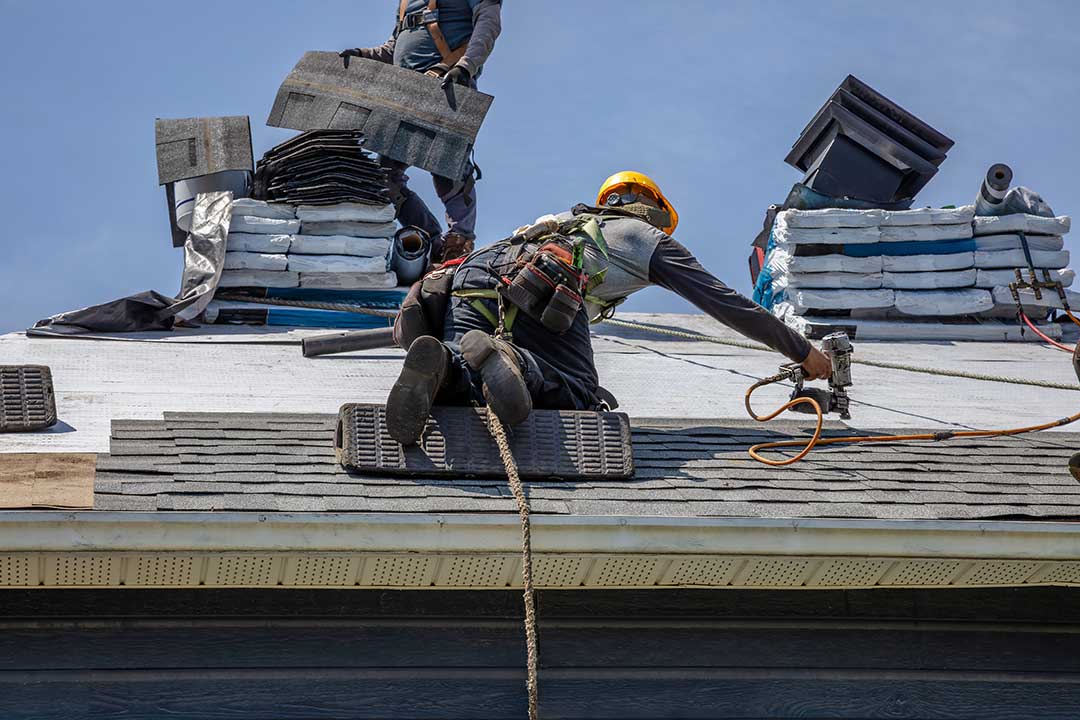
Together, these parts contribute to attic ventilation and structural protection against rain and snow.
Why Is Ventilation Important for Local Roofs?
Attic ventilation means allowing air to flow in and out of the attic space. It prevents heat and moisture buildup, which can lead to problems like mold, warped wood, or ice dams.
- Ridge vents span the peak of the roof and provide an outlet for hot air.
- Soffit vents at the eaves let in cooler outside air.
A balanced system helps roofs and insulation last longer, reducing the risk of winter ice dams in local homes.
What Are Common Fasteners and Why Should Homeowners Care?
Fasteners (nails and sometimes screws) are used to attach roofing materials. Using the correct type and size ensures the roof performs well during wind storms and heavy snow loads, which are not uncommon in the city.
- Improper fasteners or poor installation can cause shingle blow-off or leaks.
- Area homes with older roofs may have outdated or corroded fasteners, so periodic checks are wise.
Are There Other Roofing Features to Know?
Several other terms occasionally come up during discussions with local inspectors or home maintenance crews:
- Drip edge: Metal flashing installed along the edges to direct water away from fascia and into gutters.
- Valley: Where two roof slopes meet, usually requiring extra leak protection.
- Hip: The external angle formed by the intersection of two sloping sections. Hips are common on homes with more complex rooflines.
Understanding these features—along with the key terms above—helps residents make better decisions on repair prioritization and communicate more confidently with contractors or neighbors. Familiarity with these terms can also clarify inspection reports and maintenance recommendations after harsh weather or during routine checkups.
