
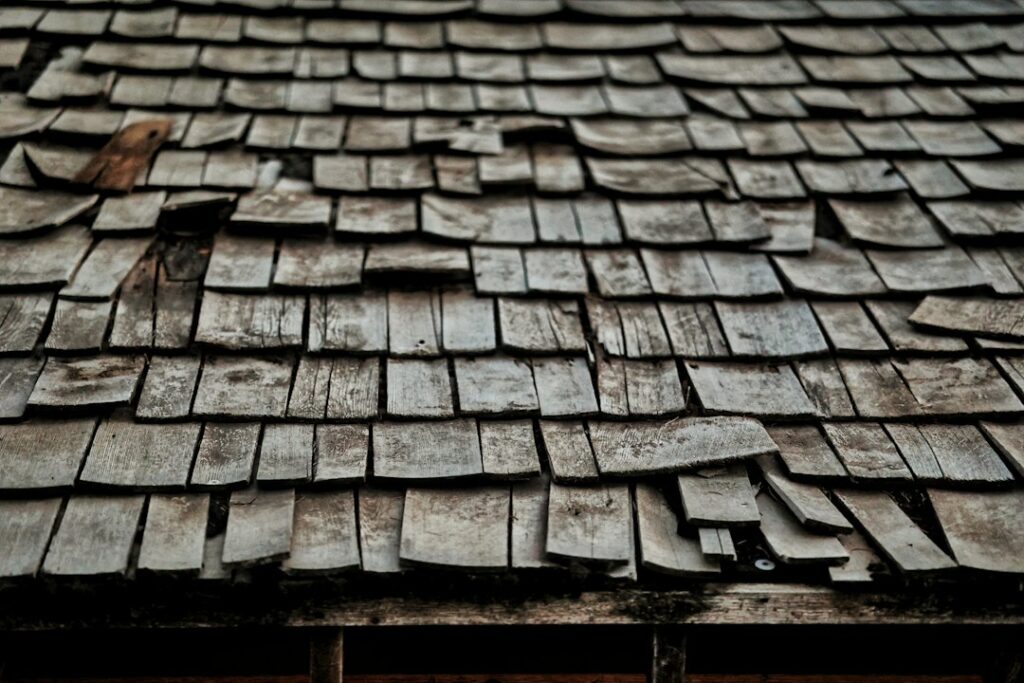
Roof decking is the structural surface installed directly over a roof’s framing. It supports the underlayment and shingles or other roof covering, helps distribute weight, and provides a continuous base for the roofing system. Although it is hidden after installation, its condition has a major effect on roof performance.
For homeowners in Queensbury, NY, roof decking deserves special attention because seasonal moisture, snow, ice, freeze-thaw cycles, and occasional wind-driven rain can expose weaknesses that are not visible from the ground.
What is roof decking?
Roof decking, also called roof sheathing, is the flat material fastened across the rafters or roof trusses. The roof covering is installed above it, while the attic space is below.
Most residential decking falls into two categories:
- Plywood: Multiple layers of wood veneer bonded together. It is commonly used because it is relatively strong, stable, and resistant to splitting when properly fastened.
- Oriented strand board, or OSB: Engineered panels made from compressed wood strands and adhesive. OSB is widely used in modern construction and performs well when kept dry and installed correctly.
- Plank decking: Narrow solid-wood boards used in many older homes. These boards may remain serviceable for decades, but their condition and spacing must be compatible with the planned roofing material.
Decking is not the same as the roof’s insulation, underlayment, or shingles. Each layer has a separate role. The decking provides the structural base; the underlayment helps resist water beneath the roof covering; and the shingles or other exterior material shed most rainfall and snow.
Why does roof decking matter?
Sound decking helps the roof carry its own weight and resist ordinary weather loads. It also gives fasteners a secure surface and helps maintain the roof’s shape.
Damaged decking can create several problems:
- Soft or weakened areas may sag between framing members.
- Roofing fasteners may not hold properly.
- Shingles can appear uneven or develop premature wear.
- Moisture can spread into the attic and insulation.
- A localized leak can become a larger structural repair if ignored.
The decking also affects how a roof replacement is installed. New shingles cannot correct deteriorated wood beneath them. Covering weak decking may hide the problem temporarily, but it does not restore the roof’s structural support.
How does roof decking become damaged?
Water is the most common cause of decking deterioration. A roof leak around a flashing joint, vent, chimney, valley, or damaged shingle can allow moisture to reach the wood. Even a small leak may cause decay if it continues over a long period.
Condensation can also contribute to damage. Warm, humid air from the living space may enter a cold attic through gaps around light fixtures, plumbing penetrations, ducts, or poorly sealed access doors. If attic ventilation is inadequate, moisture may collect on the underside of the decking during cold weather.
Other causes include:
- Ice dams that allow melting snow to back up beneath roof coverings
- Wind damage that lifts or breaks roofing materials
- Improperly installed flashing
- Long-term exposure to repeated wetting and drying
- Insect activity or fungal decay
- Construction defects, such as inadequate fastening or unsupported panel edges
- Heavy loads or localized stress affecting already weakened areas
In a cold-weather climate, the same roof may experience snow accumulation, thawing, refreezing, and spring rain within a short period. Those cycles can reveal defects that remained unnoticed during milder conditions.
What are the signs of damaged decking?
Some warning signs appear inside the home, while others are found during roof work. A homeowner may notice:
- Brown or yellow ceiling stains
- Damp insulation or a musty attic odor
- Visible daylight through the roof boards
- Sagging areas in the roofline
- Staining, mold-like growth, or darkened wood in the attic
- Nails or fasteners that appear loose or pulled out
- Shingles that dip, ripple, or look uneven
- Repeated leaks in the same general area
Not every ceiling stain means the decking has failed, and not every decking problem causes an immediate interior stain. Water may travel along rafters before becoming visible. For that reason, a roof surface can appear acceptable from the ground while hidden damage develops underneath.
How is roof decking inspected?
A proper inspection usually considers both the roof surface and the attic side of the decking. From above, an inspector may look for soft spots, visible sagging, exposed wood, loose fasteners, and areas around penetrations or flashing.

From inside the attic, the inspection may include:
- Checking for dark stains or water trails
- Pressing carefully on suspect areas to identify softness
- Looking for daylight through joints or holes
- Examining the underside of roof panels or planks
- Checking whether ventilation and insulation conditions could cause condensation
Walking on a roof with questionable decking can be hazardous. Weak areas may not support a person, especially when covered by shingles or underlayment. Roof access should be treated as a safety issue rather than a routine do-it-yourself inspection.
Does all roof decking need to be replaced during a roof replacement?
No. Replacement is generally limited to sections that are rotten, structurally weakened, delaminated, badly warped, or otherwise unable to hold roofing fasteners securely. Sound decking can often remain in place.
During removal of the old roof covering, additional damage may become visible. This is why the final amount of decking repair cannot always be determined from a ground-level inspection. Small areas may be found around a leaking penetration, while broader replacement may be necessary if moisture has affected several panels or rows of plank decking.
The new material should match the roof framing, panel layout, thickness requirements, and applicable construction standards. Unsupported panel edges may require blocking or other structural support, depending on the roof design.
Can new shingles be installed over damaged decking?
Roofing should not be installed over decking that is too weak, wet, rotten, or unstable to support the new system. Shingles depend on a firm, properly fastened base. If the underlying wood moves, sags, or cannot hold nails, the roof covering may fail prematurely.
Installing new shingles over questionable decking can also make later repairs more difficult. Once the damaged surface is covered, identifying the full extent of the problem may require removing newer roofing materials.
How long does roof decking last?
There is no single service life for decking. Longevity depends on the material, roof ventilation, installation quality, exposure to moisture, past leaks, and the condition of the roof covering.
Plywood and OSB can remain serviceable for many decades when kept dry. Older plank decking may also last a long time, but age alone does not confirm failure. The more useful questions are whether the wood is structurally sound, securely attached, dry, and compatible with the roofing system being installed.
Routine attic checks after major storms and during seasonal changes can help identify leaks before they cause extensive damage. Pay particular attention after periods of heavy snow, ice formation, strong wind, or repeated rain.
What should homeowners ask about decking repairs?
Clear documentation helps prevent confusion when decking work is needed. Useful questions include:
- Which areas are damaged, and what caused the damage?
- Is the problem limited to a few sections or spread across the roof?
- Is the wood soft from rot, swollen from moisture, split, warped, or improperly supported?
- What thickness and type of replacement material will be used?
- Will the replacement be fastened to the framing?
- Are ventilation, flashing, or drainage issues contributing to the damage?
- Is any attic insulation wet and in need of attention?
Roof decking is easy to overlook because it is normally hidden. Yet it supports nearly every layer above it. Understanding its purpose makes it easier to interpret roof inspection findings, recognize moisture-related warning signs, and distinguish a cosmetic roofing issue from a problem that affects the structure beneath the roof covering.
